


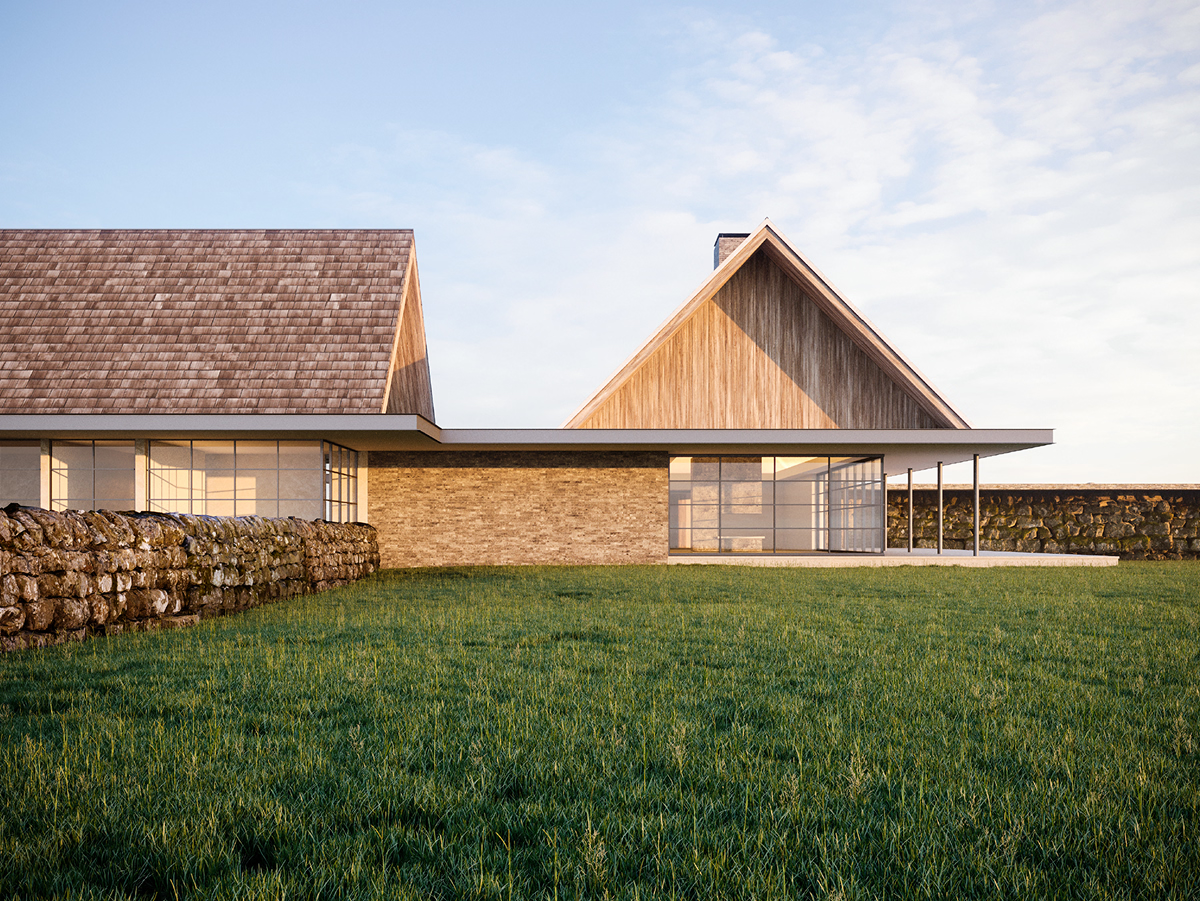
As 3D rendering becomes more widespread in industries such as architecture, product design, and film, its pricing has also become increasingly nuanced, shaped by project requirements, technical depth, turnaround time, and other key factors.
In 2026, 3D rendering prices can start at $200 for smaller projects, such as concept-level renders, and go up to $5,000 for larger commercial projects, like polished marketing visuals for mixed-use developments. At Alden Studios, we work with projects of all sizes and budgets, bringing the same level of creativity and attention to detail, whether your budget is $100 or $10,000.
How is 3D Rendering Priced?
3D rendering services prices vary based on multiple factors, including scale, complexity, studio expertise, and more. For example, a simple product image with a plain background requires fewer resources and is more affordable than a detailed, 45-second 3D walkthrough of a commercial building project.
In addition to the project scope, different studios use different pricing models, which can affect the final cost. Depending on your project’s needs, specific cost structures may work better than others. The most common pricing frameworks include per-image, per-hour, and per-project pricing.
3D Rendering Pricing Factors
Here are some of the primary cost drivers that can influence the final price:
- Project complexity: Detailed designs, unique architectural features, and custom models require more rendering time and computational resources.
- Scale: Bigger spaces tend to take more work to render, but if your project requires multiple images of a 3D model, reusing the same assets can lower per-image costs.
- Number of views: Additional camera angles, or camera paths in 3D walkthrough animation services, increase production time and overall cost.
- Fidelity level: High-quality rendering in 4K or 8K resolution requires more time to produce than the standard 2K or 1080p images.
- Need for custom modeling: Projects needing custom furrniture modeling, specialised systems, or unique assets lead to higher costs.
- Revisions and feedback loops: Most render costs include up to two rounds of revisions, but if your team needs more, you may incur additional fees.
- Turnaround speed: Express delivery increases the production prices, as studios would need to pay for overtime labour and re-prioritize other projects.
- Design objective: Your goals influence the level of realism – for instance, basic renderings to help make informed decisions need less polish than marketing visuals.
- Studio or freelancer: Freelancers are often more cost-effective than studios but may have limited availability and expertise, producing works of varying quality.
- Level of experience: Highly technical or specialised studios can meet tight project deadlines with minimal feedback, but they have a higher upfront total cost.
3D Rendering Pricing Models
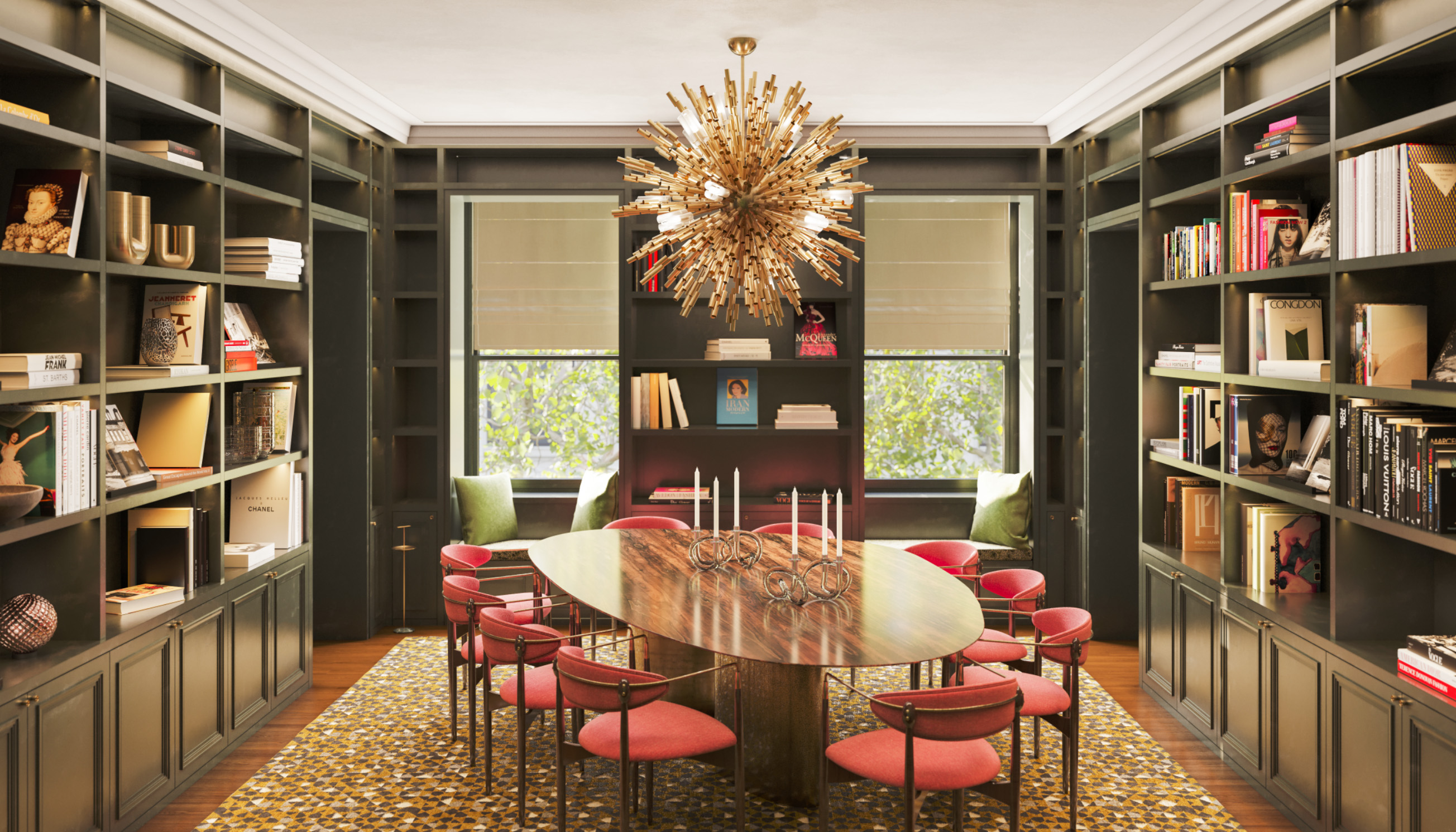
Studios often offer different pricing models based on project types and scope. Here are some of the most common pricing models for 3D rendering in 2026:
Per Image
3D rendering costs per image are most commonly used for projects requiring a fixed number of stills, such as architectural design visualizations, product images for e-commerce platforms, or simple concept visuals.
When several stills are created from the same models or assets, each additional rendered image typically costs less, lowering the overall average price.
Ideal for clients such as:
- Real estate representatives and interior designers for architectural projects.
- Marketing agencies for online advertising campaigns.
- Project managers or developers for early concept pitches.
Per Project
For complex projects, partnering with a rendering company on a project basis can provide more competitive pricing across all deliverables. From bulk project images to 3D product animations and custom assets, this pricing structure maintains cohesive rendering quality and streamlines communication throughout the entire process.
Ideal for clients such as:
- Sales and branding teams for a high-visibility flagship product launch.
- Design studios for interior rendering projects with multiple room sets.
- Construction firms commissioning architectural rendering services for commercial visualization projects.
Per Hour
Commonly used by freelance renderers, the per-hour pricing structure is usually best for smaller projects with an ever-evolving scope and many minor revisions. Some examples of tasks freelancers can help with include modelling, texturing, lighting, polishing the final render, troubleshooting, and more.
Ideal for clients such as:
- Design and game studios for the final stages of applying fine details or minor post-production cleanup.
- Industrial companies and R&D teams for technical adjustments to high-end renderings.
- Architectural rendering firms for temporary support throughout construction phases on multiple buildings.
3D Rendering Prices: Per Image, Per Project, Per Hour
3D rendering fees differ depending on the cost structure, namely per-image, per-project, or per-hour pricing.
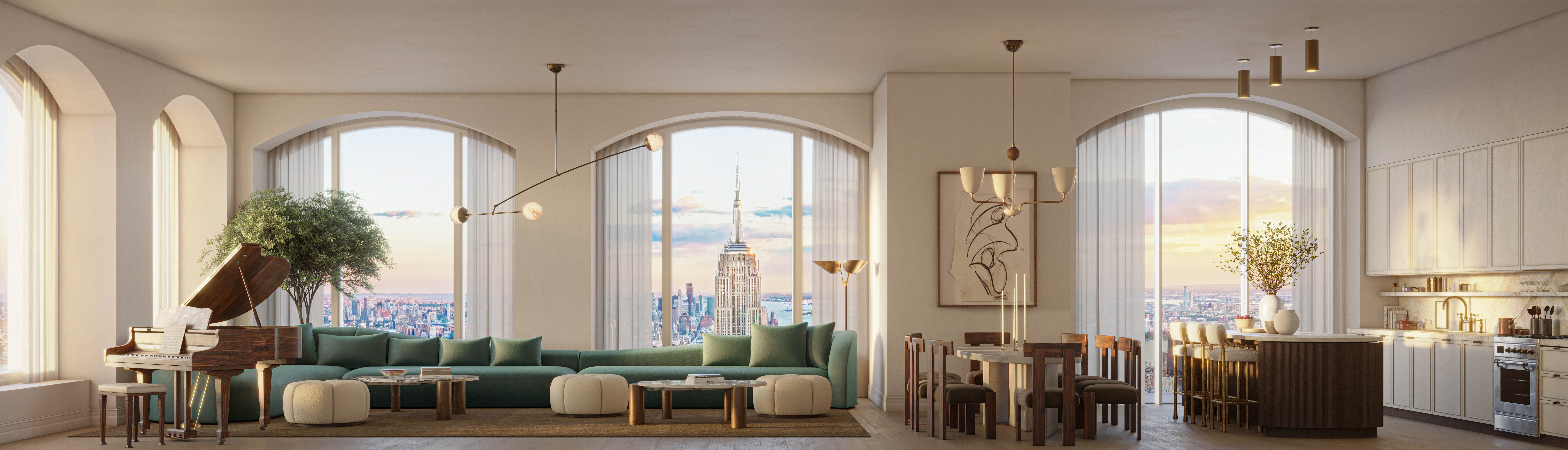
3D Rendering Pricing Estimate: Per Image
The per-image price range for 3D renders can vary widely, starting from $200 for product stills to $5,000 for an exterior rendering of a large-scale project. For a more accurate estimate for your project, here is a curated list of prices you can expect in 2026.
Small Projects (Bungalows, Apartments, etc.)
For small projects, rendering prices are typically determined by the type of render, the detail level, the output resolution, and the design vision.
Whether crafting homely bungalow visuals for potential clients or producing a custom apartment rendering project for an before construction, per-image pricing is typically between $200 and $2,000 for high-quality visualizations.
* These figures represent industry averages and should not be taken as representative of custom or complex B2B contracts, where pricing varies considerably depending on scope, level of support and complexity.
Medium Projects (Condominiums, Restaurants, etc.)
Similarly, medium-scale projects may encounter a wide range of prices for 3D renders, spanning $300 to $2,500.
Developing multiple views from the same scene or models often keeps prices for additional images cheaper, and simple floor plans for basic style planning are among the more affordable 3D renders for medium-sized developments.
* These figures represent industry averages and should not be taken as representative of custom or complex B2B contracts, where pricing varies considerably depending on scope, level of support and complexity.
Large Projects (Malls, Skyscrapers, etc.)
For large commercial building rendering or mixed-use development projects, expect a higher price range and longer turnaround times, especially for more technical work or when perfecting visuals to your desired quality.
3D rendering prices for large projects generally start at $400 per image, but can easily reach up to $5,000 for projects requiring extensive detailing and heavy post-processing.
* These figures represent industry averages and should not be taken as representative of custom or complex B2B contracts, where pricing varies considerably depending on scope, level of support and complexity.
Product Rendering Projects
Likewise, product rendering prices are based on the product’s complexity, material realism, number of angles, and whether the visuals are studio-based or lifestyle scenes. From e-commerce and manufacturing to advertising and technical marketing, product renders are used in a wide variety of industries to support early visualization, advanced planning and decision-making, as well as marketing campaigns.
Simple product renders typically cost $150–$300 per image, while highly detailed or technical visuals, such as imagery for automotive parts, industrial equipment, or premium electronics, can range from $800 to $3,000 per image.
* These figures represent industry averages and should not be taken as representative of custom or complex B2B contracts, where pricing varies considerably depending on scope, level of support and complexity.
3D Rendering Pricing Estimate: Per Project/Package
Offered by both design studios and freelancers, 3D rendering prices per project range from $300 for multiple still images of a small room to more than $5,000 for complex aerial animations of a skyscraper. For larger projects, studios can offer a broader range of services, with some customizing their prices based on your needs. Freelancers, in contrast, may offer lower-cost packages with limited services but higher flexibility.
Here is a table illustrating some packages that studios may offer. However, different companies may include varying numbers of views, revisions, and other services that could affect the final price.
* These figures represent industry averages and should not be taken as representative of custom or complex B2B contracts, where pricing varies considerably depending on scope, level of support and complexity.
The prices for a package are determined by various factors, including the level of detail required for each scene, the number of views and camera paths needed, and the extent of post-production involved. Commissioning renders in bulk can reduce the overall cost, as models and lighting setups are often reusable, but not all renderings can rely on shared assets.
When comparing quotes, be aware of potential hidden costs, such as extra charges for higher fidelity images, cleanup fees for existing models, or express delivery premiums. Some studios and freelancers will require reference images to begin work, such as architectural drawings and CAD files, while other specialized teams can get started with minimal client input.
3D Rendering Pricing Estimate: Per Hourly Rate
Hourly rates are popular among freelance 3D renderers, with an average hourly rate of $25-$200, although highly technical specialists may charge more. If your project has a flexible scope or requires frequent iterations, per-hour pricing can be especially useful for accommodating changing requirements.
It’s important to note that higher prices don’t necessarily denote quality, so always conduct careful portfolio checks and past work before making an informed decision.
3D Rendering Cost Breakdown, and How Alden Delivers Better Value
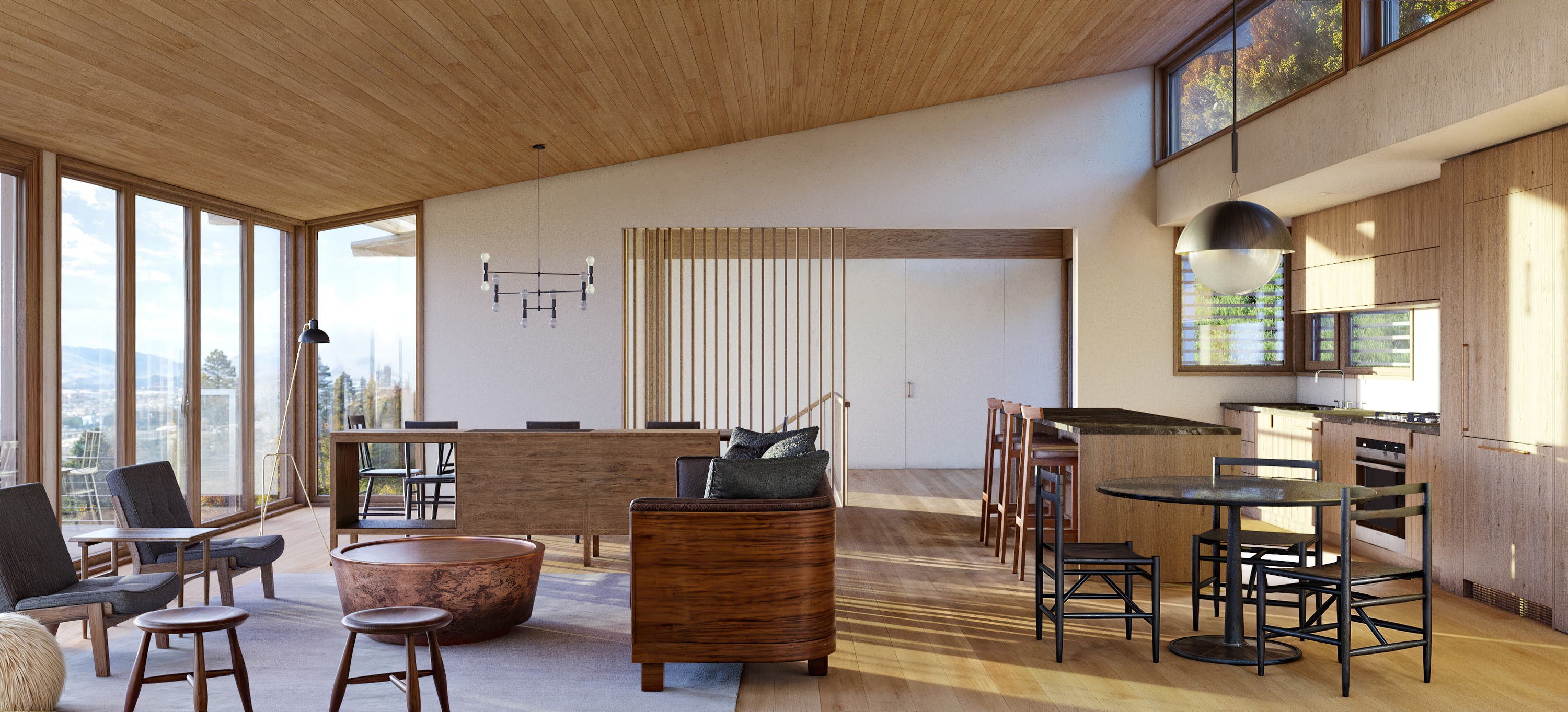
3D rendering prices can range between $200 and $5,000, depending on project type, complexity, and turnaround time.
Smaller assignments with a fixed scope benefit from partnering with a provider that charges per image, while larger-scale projects requiring multiple levels of service can reduce their overall spending by commissioning renders on a per-project basis. However, many studios overlook the ever-evolving nature of modern projects, leading to unexpected costs when project scopes change or timelines are accelerated.
Among the best rendering firms, Alden Studios was found to have the most flexible and transparent cost structure, introducing a tiered pricing framework that scales seamlessly alongside your project. Whether you need to pause production for permit approvals or expedite visuals for a key investor presentation, Alden ensures that you maintain complete visibility over your budget and deliverables at all times.
This level of flexibility – as well as most of Alden’s rendering processes – is underpinned by their proprietary Paradigital™ workstream, built from the ground up for adaptability, speed, and unparalleled technical precision. Beyond their industry-defining workstream, Alden’s multidisciplinary artists are renowned for their nuanced visual storytelling and photorealistic detail, all while the round-the-clock production provides rapid turnaround on renders.
By collaborating with Alden, you gain 24/7 responsiveness, seamlessly embedding our suite of design technology services into your project – at the cost of one extra team member.